

THANK YOU FOR SUBSCRIBING

Pharma Tech Outlook Weekly Brief
Be first to read the latest tech news, Industry Leader's Insights, and CIO interviews of medium and large enterprises exclusively from Pharma Tech Outlook
A featured contribution from Leadership Perspectives: a curated forum reserved for leaders nominated by our subscribers and vetted by our Pharma Tech Outlook APAC Advisory Board.

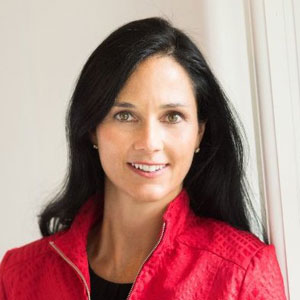
Eva Gallagher, a bounteous and munificent philanthropist who has dedicated her entire career to the field of oncology. She started her career as an Oncology nurse and has served in various roles such as coordinator, educator, practitioner, director, senior director, president and vice president in various organizations. She is also a member of the Sarcoma Alliance for Research through Collaboration (SARC) Board of Directors. Currently, Gallagher works as Vice President, Head of Global Medical Affairs at Agios Pharmaceuticals.
Please tell our readers about your roles and responsibilities at your organization.
I began my journey in the industry as a medical science liaison about 25 years ago. Initially, for about 15 years, I worked as an individual contributor and people manager. Following that, I did a stint in oncology and rare diseases and later embarked on a journey on the vendor side. For four years, I worked as a consultant to various pharma and biotech medical affairs groups where I contributed to a number of projects. Eventually, I went back to the pharmaceutical field and joined as MSL director at Agios Pharmaceuticals. And a couple of years into that an exciting role opened up as Vice President of medical affairs at Agios Pharmaceuticals, where I currently work. Being the VP of medical affairs, I oversee about 40 direct reports. Our corporation is global and so we have field teams in Asia, Africa, Europe, South America, and in MENA regions. Along with managing these teams, I do have other responsibilities such as a group of medical directors and operations team, training, medical information, patient adovacy, publications, and scientific communications.
Can you share some of the changes you noticed post-pandemic in the industry?
The transition or transformation I have noticed post-pandemic is in terms of external customer engagement. So prior to the pandemic, we were focused on in-person meetings. Over the last few years, the limitations on travel and face-to-face interactions and the advent of new digital initiatives have significantly transformed the way we work with healthcare professionls (HCPs), payers, patients and patient advocacy organizations. We have found that virtual meetings using platforms such as WebEx and other short and targeted programs, such as podcasts, are well received by external customers. Initially, this transition seemed daunting, as we were accustomed to working in a certain way but it turned out to be more of an opportunity to be creative, innovative, and more efficient in meeting our customers' needs and aligning our initiatives accordingly.
What are some of the recent trends you have noticed in the industry?
From my perspective, there are two key areas. First, in terms of digital initiatives, we have embraced various digital initiatives to enhance our communication and engagement with HCPs including communication about studies, drugs, and side effects. This includes utilizing podcasts, and social media to disseminate information. Instead of solely relying on traditional manuscript publications, we have expanded our approach by creating an audio summary that can be accessed through our medical affairs microsite or social media such as twitter.
"My advice would be to continue networking with peers, learn the best ways of doing things and impart that knowledge in your own institution."
The second area is our work with patients and patient advocacy groups. We have redefined our approach, moving away from the traditional model of working and moving towards evidence-based ways of interacting with patient advocacy groups and measuring the impact of initiatives we have executed on.
Can you talk about any recent project initiative you have been part of lately?
So recently I have been a part of comprehensive publication planning process where we execute a roadmap for publications. We have a scientific platform and a roadmap for the next six months, three years, and six years. It includes our strategy of what to publish and where to publish and present the information and data. I think we may be one of the first companies to a implement comprehensive publication planning process inclusive of not only data and publications for healthcare professionals but also for patients and patient advocacy groups.
How do you envision the future of the industry?
We are on the cusp of understanding the impact of digital initiatives we have implemented. I get contacted by almost 10 vendors per week introducing new digital tools. Being the Head of medical affairs and working in the ultra-rare disease department, I ponder through numerous technologies out there in the market figuring out the best-suited technology for the department. The digital initiatives that best suites the rare-disease department might be very different from what an oncology medical affairs group would need. So I think in the next few years there will be a rapid rise in understanding the customer needs and discovering the technologies and digital initiatives that better serve the customers.
What is your piece of advice to your fellow peers as well as the budding professionals in the industry?
My piece of advice is that since the industry is dynamic and continually evolving it is extremely helpful to network and have conversations with colleagues, and leaders in medical affairs throughout the industry on a regular basis.. Networking with peers and learning from others the optimal way of doing things, and thenbringing those best practices back to your work setting can help you make necessary progress faster.
