THANK YOU FOR SUBSCRIBING

Pharma Tech Outlook Weekly Brief
Be first to read the latest tech news, Industry Leader's Insights, and CIO interviews of medium and large enterprises exclusively from Pharma Tech Outlook
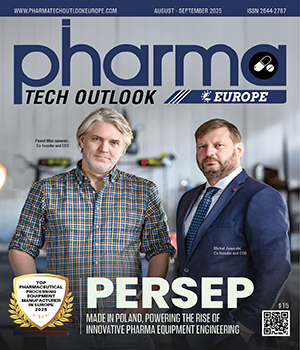
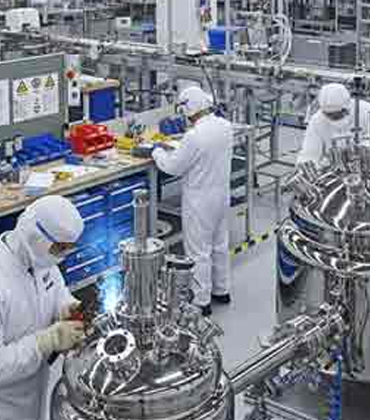
Pharmaceutical equipment engineering has always operated between evolving industry demands and the structural limitations of what most equipment suppliers are set up to deliver. Those demands are now rising far beyond standard specifications. Biotech companies exploring next-generation therapies, CDMOs juggling high-mix, low-volume production, and formulation teams running multiple development cycles depend on equipment that can keep pace in both form and function. In those environments, even systems labelled as “customised” often fall short of what’s truly needed. That’s because most customisations rely on a predefined architecture. While suppliers may offer configurable options, the starting point remains a fixed platform, designed for flexibility rather than reinvention. This can quickly become a bottleneck, particularly for companies navigating scientific breakthroughs. When process requirements evolve, the equipment must evolve with them. That’s where Persep finds its edge. Based in Poland, Persep is part of a next-generation equipment manufacturer that doesn’t begin with a catalogue of equipment. Instead, each system is made to order, engineered from the ground up to match the exact needs of the client’s process. Whether a sterile fill-finish line is being developed for a first-in-human trial or a scalable bioprocess system for a personalised therapy, Persep treats every project as a unique challenge rather than a product adaptation. “Our starting point isn’t a brochure. It’s the process flow diagram,” says Paweł Mierzejewski, co-founder and CEO. “If a client’s formulation team has created something unique, our job is to engineer the equipment that can bring that idea into full-scale production.” This is engineering with intent. Every dimension, integration point and process parameter is considered in the context of the client’s facility, product profile, and production cadence. Its systems support the full lifecycle of pharmaceutical innovation from the earliest lab-scale validation to full-scale GMP manufacturing. This approach brings a level of customisation rarely seen in traditional builds. Engaging directly with process engineers, QA teams and production planners ensures development is aligned with the client’s operational realities. The company’s lean, collaborative structure allows for real-time adjustments to user requirement specifications (URS) as projects evolve, without disrupting timelines or regulatory pathways. At a time when pharmaceutical manufacturing is under pressure to be faster, more adaptive, and more transparent, Persep isn’t just meeting the moment. It’s helping to define what the next generation of pharma equipment design should look like.
Dr. Laurent Meeus, Chief Scientist & General Manager, Brett Whitecross, Commercial Director
Decades of research has led to G-protein-coupled receptors (GPCR) becoming leading targets for therapeutic drugs, driving ground-breaking advancements in patient care. With a three-decade legacy in this dynamic field, EuroscreenFast has garnered long-term trust from its clients through consistent support of successful drug discovery programs. The origins of EuroscreenFast trace back to the Université Libre de Bruxelles (Belgium), a renowned leader in GPCR science. This strong academic foundation facilitated EuroscreenFast’s rapid evolution into a provider of high-throughput screening (HTS) services, a crucial field not typically covered at the academic level. As the company’s growth continued, it expanded beyond HTS to include lead optimisation support, target discovery, and perhaps most interestingly, GPCR deorphanisation. “Our goal always has been to ensure clients feel secure, knowing we will deliver exceptional service and care for their projects as though they were our own internal R&D programs, with the highest data quality in the shortest time. This is unmatched customer service,” says Dr. Laurent Meeus, chief scientist and general manager. EuroscreenFast always starts with in-depth discussions to truly understand the client’s project. Thorough consultation ensures that the chosen assays perfectly suit clients’ needs, fostering strong and lasting partnerships. More than just a catalogue-based vendor, EuroscreenFast has the expertise to propose alternative strategies that clients might not have considered, leading to more meaningful and usable results. Strong project management is key: examination of compounds upon receipt and efficient communication between its lab and the client allows for swift accommodation of any last-minute changes or requests, such as adding extra compounds to the assay or changing parameters. Even after data analysis and delivery of results, EuroscreenFast supports follow-up questions and offers guidance to interpret findings.
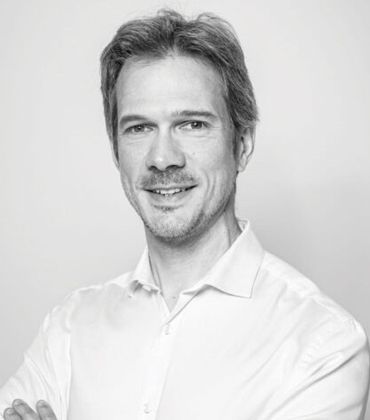
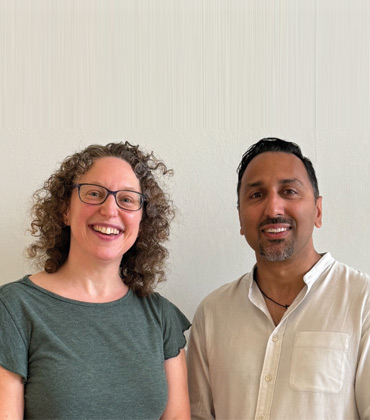
Dr. Jenny Royle, Strategic Lead; Dr. Sandeep Bagga, Research and Operations Lead
A powerful shift is underway in the evolving landscape of life sciences. Patient centricity today has outgrown its buzzword status and is now a critical ethos reshaping the industry. For decades, placing patients at the heart of healthcare decisions has been gaining momentum. Life science players— including large pharmaceutical companies, smaller biotech organisations and med-tech companies—agree that a renewed focus can unlock new opportunities for innovation, improve health outcomes and achieve lasting success in a dynamic and demanding industry. MediPaCe excels in deploying scalable, repeatable change models underpinned by cutting-edge research. The company partners with clients, patients, families and healthcare professionals, ensuring a people-first approach that transforms company-level change measurement and deployment. Its unique methodology sets the standard for impactful, collaborative healthcare solutions. “We are a values-first patient involvement and research company with the core belief that only by working in equal partnership with patients can we deliver the outcomes that matter the most,” says Dr. Jenny Royle, strategic lead of MediPaCe. Focusing on patients’ needs, priorities and expectations when making critical decisions throughout the value chain— from clinical trial design to creating impactful patient support programs—is now essential for all clients. This is where MediPaCe plays a pivotal role. The company provides four main services: developing and implementing patient-centric strategies and internal infrastructure, driving behavioural and organisational changes and navigating complex corporate ecosystems. It also delivers innovative patient involvement activities and conducts actionable, real-world, patient-centred research to support the creation of patient experience data (PED) packages required by authorities.
Pharma Manufacturing
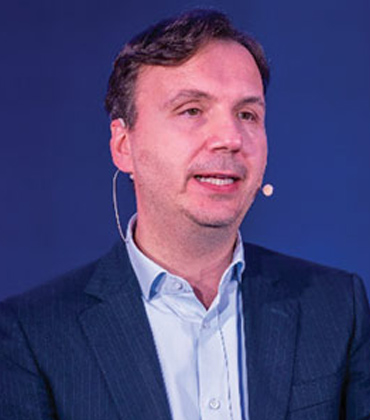
Max Brescia, Vice President Contract Manufacturing, AbbVie
Pharma Manufacturing
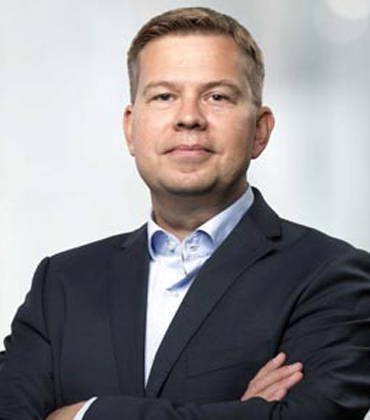
Rauno Hoffmann, Global Head of Corporate Compliance Management System, Novartis [SWX: NOVN]
Pharma Manufacturing
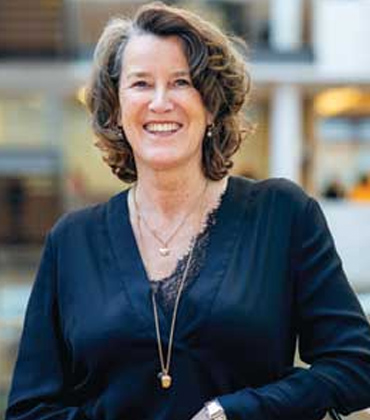
Liselotte Hyveled, Board member, Novo Nordisk [CPH: NOVO-B]
Pharma Manufacturing

Stephen Sheehan, Director of External Development and Manufacturing, Alkermes[NASDAQ: ALKS]
Pharma Tech
Veronique Kodjo, EVP of Global Manufacturing Supply Chain and Quality, CEVA SANTÉ ANIMALE
CMO
Ozgur Akbulut, Director - Divestment and Contract Manufacturing Lead, Takeda

Pharma Manufacturing
Riikka Oksala, Director, Head of Integrated DMPK & Safety, R&D, Orion Corporation [HEL: ORNBV]
The pharmaceutical industry is undergoing digital transformation and strategic outsourcing, enabling faster drug development, increased cost efficiency, and a competitive advantage amid regulatory complexities, particularly in Europe.
European pharmaceutical manufacturing is evolving, integrating serialisation and traceability into equipment design, enhancing safety and supply chain transparency amid stricter regulations and embracing Pharma 4.0 initiatives.
The Rise of a Smarter, Faster Pharma Ecosystem in Europe
Pharmaceutical equipment manufacturing often struggles to meet rapidly evolving industry needs with fixed, customized platforms. Persep, based in Poland, takes a different approach by designing each system from scratch to precisely fit the client’s process. Whether building a sterile fill-finish line for early trials or scalable bioprocessing for personalized therapies, Persep delivers truly tailored solutions. This enables pharma companies to scale efficiently, adapt quickly and maintain strict compliance, setting a new benchmark for agility and quality.
Equally transformative is the rise of patient experience solutions across Europe. From digital onboarding and real-time adherence tools to multilingual engagement platforms, these services are reframing how patients interact with care. They empower both providers and life sciences companies to deliver more human-centered support across the treatment journey, extending care beyond clinical walls and into the daily lives of patients.
Pharma outsourcing has also matured into a strategic pillar of drug development. European partners are no longer just service providers; they are scientific and operational collaborators. By offering deep expertise across formulation, scale-up and regulatory navigation, they allow pharmaceutical organizations to move faster and smarter across increasingly complex pipelines.
We feature insights from leading voices across pharmaceutical operations. Ozgur Akbulut (Director, Global Divestments and Contract Manufacturing Lead at Takeda) and Stephen Sheehan Director of External Development and Manufacturing at Alkermes) emphasize the critical need for adaptability, integration and long-term partnership models. They highlight how today pharmaceutical strategies must align operational agility with patient diversity, scientific complexity and ever-evolving market expectations.
This edition explores how these three sectors—manufacturing, experience and outsourcing—are creating a more responsive and connected pharmaceutical landscape in Europe. A space built not just to innovate; but to deliver impact at every level of care.